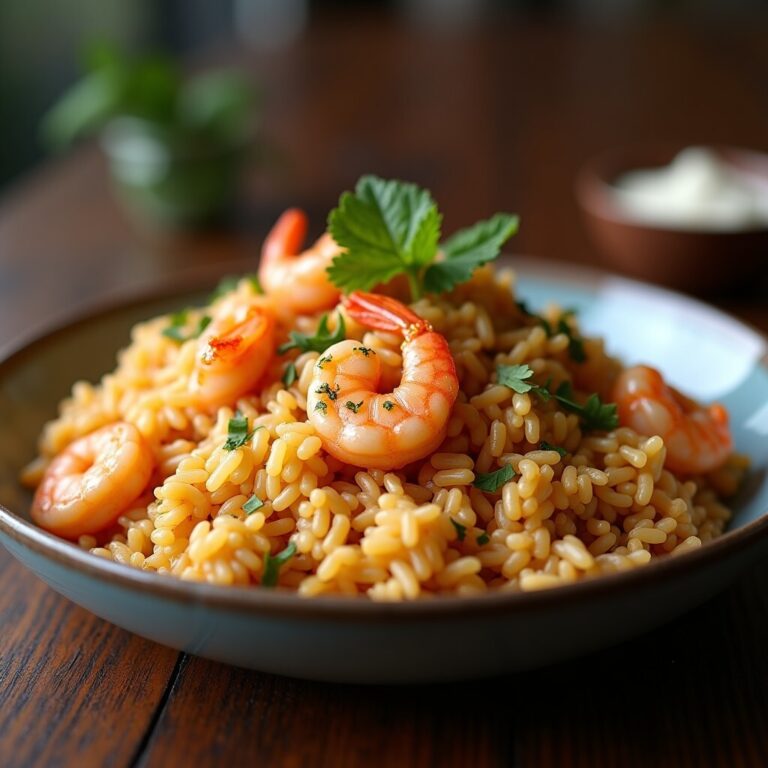
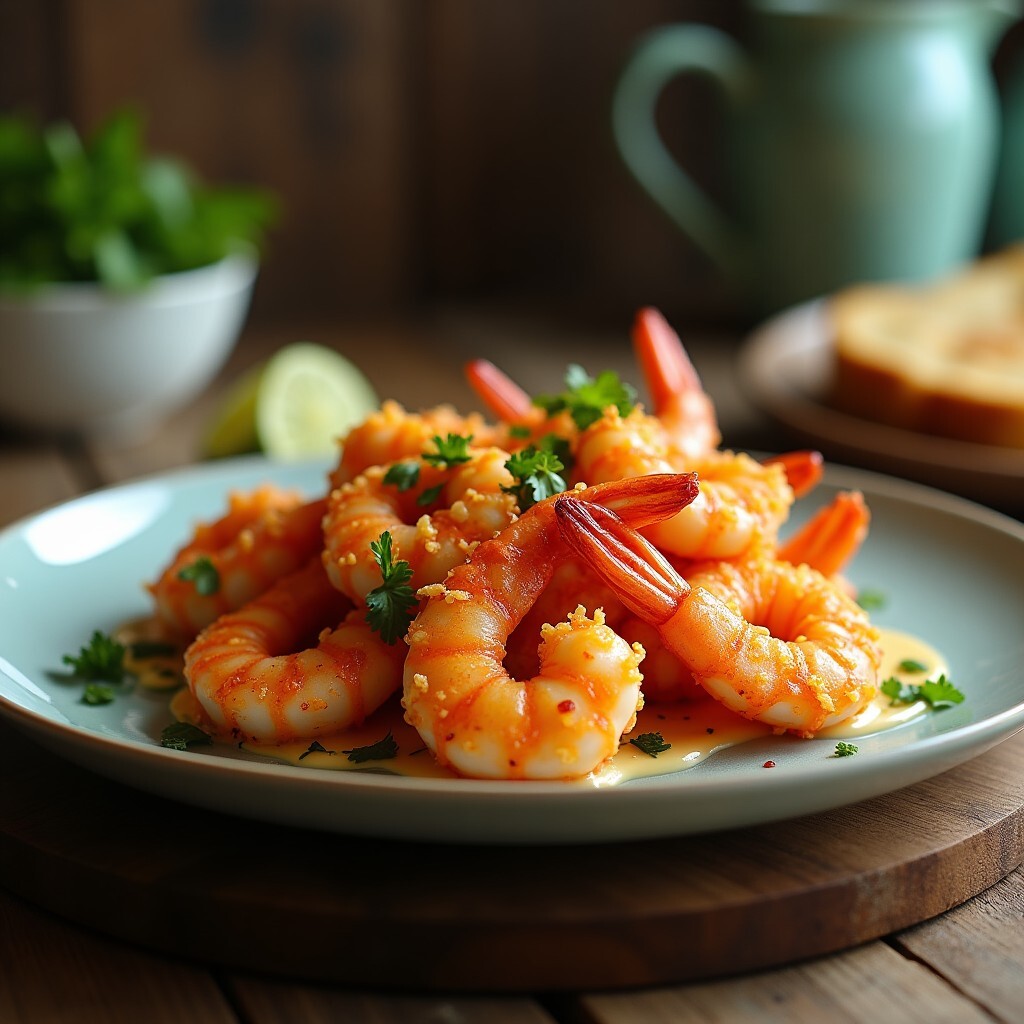
Coconut shrimp is a delightful dish that brings tropical flavors right to your dinner table. Crunchy on the outside and tender on the inside, this dish is perfect for any occasion.
What's the Big Deal?
This coconut shrimp recipe is special because it combines the sweetness of coconut with the savory taste of shrimp, creating a perfect balance of flavors. The shrimp are coated in a mixture of coconut flakes and breadcrumbs, then fried until golden brown for a satisfying crunch. Each bite transports you to a beachside paradise, making it a favorite for seafood lovers and those who enjoy a hint of tropical inspiration in their meals. Not only is it delicious, but it’s also easy to prepare, allowing you to impress your family or guests without spending hours in the kitchen. Whether served as an appetizer or a main dish, coconut shrimp is sure to be a hit at your dinner table.
The use of fresh, high-quality shrimp is key to achieving the best flavor. Pairing this dish with a sweet and tangy dipping sauce elevates the overall experience, making it even more enjoyable. This recipe is perfect for both casual gatherings and formal dinners, showcasing the versatility of shrimp in a fun and flavorful way.
Your Kitchen Arsenal
To prepare this dish, you will need a few essential pieces of equipment.
- A deep frying pan or a heavy pot for frying
- A slotted spoon for removing shrimp from oil
- A mixing bowl for the breading mixture
- A food thermometer to check shrimp doneness
- Paper towels for draining excess oil
- A serving platter for presentation. Having these tools ready will make the cooking process easier and more enjoyable, ensuring that you achieve perfectly cooked coconut shrimp.
Tricks of the Trade I Swear By
For the best results, use large shrimp and peel them before cooking. Pat them dry to help the coating adhere better. When breading the shrimp, press the coconut mixture firmly onto the shrimp to ensure it sticks during frying. Fry the shrimp in batches to avoid overcrowding the pan, which can lower the oil temperature and lead to soggy results. It’s crucial to monitor the oil temperature, aiming for around 350°F for optimal frying. Always use a food thermometer to ensure shrimp reach a safe internal temperature of 145°F. Allow the shrimp to rest for a few minutes after frying for better texture. Remember to keep raw shrimp separate from cooked shrimp to prevent cross-contamination.
Recipe Card
Ingredients
- one pound large shrimp (peeled and deveined)
- one cup unsweetened shredded coconut (preferably toasted)
- one cup panko breadcrumbs (for extra crunch)
- two eggs (beaten)
- one teaspoon salt (to taste)
- one teaspoon black pepper (to taste)
- oil for frying (enough to fill pan to one inch)
Instructions
- Begin by heating oil in a deep frying pan over medium heat until it reaches 350°F.
- In a mixing bowl, combine the shredded coconut, panko breadcrumbs, salt, and black pepper.
- Dip each shrimp in the beaten eggs, allowing excess to drip off, then coat with the coconut and breadcrumb mixture, pressing lightly to adhere.
- Fry the shrimp in batches, making sure not to overcrowd the pan, for about three to four minutes or until golden brown and cooked through.
- Use a food thermometer to ensure each shrimp reaches an internal temperature of 145°F.
- Remove the shrimp with a slotted spoon and place them on paper towels to drain excess oil.
- Serve immediately with your choice of dipping sauce.
Storage Instructions
Store any leftover coconut shrimp in an airtight container in the refrigerator for up to two days. Reheat in the oven for best results.
Make It Your Own
There are several ways to customize this coconut shrimp recipe to suit your taste. For a spicy kick, add cayenne pepper to the breading mixture or serve with a spicy dipping sauce. You can also experiment with different types of breading, such as using panko breadcrumbs for extra crunch. For a healthier option, consider baking the shrimp instead of frying. Simply coat the shrimp as instructed and place them on a baking sheet lined with parchment paper. Bake at 400°F for about 15 minutes or until they turn golden brown. These variations allow you to tailor the dish to your preferences while still enjoying the delightful coconut flavor.
Goes With
Serve coconut shrimp hot, accompanied by a sweet and tangy dipping sauce, such as a mango or sweet chili sauce. A side of coconut rice or a fresh salad can complement the dish beautifully. For an elegant presentation, arrange the shrimp on a platter garnished with lime wedges and fresh herbs. This dish pairs wonderfully with a light, crisp white wine or a tropical cocktail, making it a perfect choice for entertaining or a special dinner.
Disaster Recovery
| Problem | Solution |
|---|---|
| The coconut coating is falling off during frying. | Ensure that the shrimp are patted dry before breading and press the coconut mixture firmly onto the shrimp. Let the breaded shrimp rest for a few minutes before frying to help the coating adhere better. |
| Shrimp are overcooked and tough. | Monitor the frying time closely, as shrimp cook quickly. Remove them from the oil as soon as they turn golden brown and have reached an internal temperature of 145°F. |
| The shrimp are not crispy. | Make sure the oil is hot enough before adding the shrimp. If the oil is too cool, the shrimp will absorb excess oil, resulting in a soggy texture. |
| The dipping sauce is too sweet or too spicy. | Adjust the sauce by adding more lime juice for acidity or more sugar to balance the heat, tailoring the flavor to your preference. |
Reader Questions Answered Here
Can I bake coconut shrimp instead of frying?
Yes, you can bake the shrimp at 400°F for about 15 minutes after coating them.
What can I serve with coconut shrimp?
Coconut shrimp pairs well with sweet dipping sauces, coconut rice, or fresh salads.
How do I know when the shrimp are done?
Shrimp are done when they turn golden brown and reach an internal temperature of 145°F.
Can I use frozen shrimp for this recipe?
Yes, just thaw the shrimp completely and pat them dry before using.